
When State Sen. Jack Stewart, R-Yukon introduced a battery recycling bill before the Oklahoma Senate Energy Committee, he might have thought it would be smooth sailing.
Instead, he ran into some critical questions about what he called the Battery Stewardship Act which was House Bill 1907.
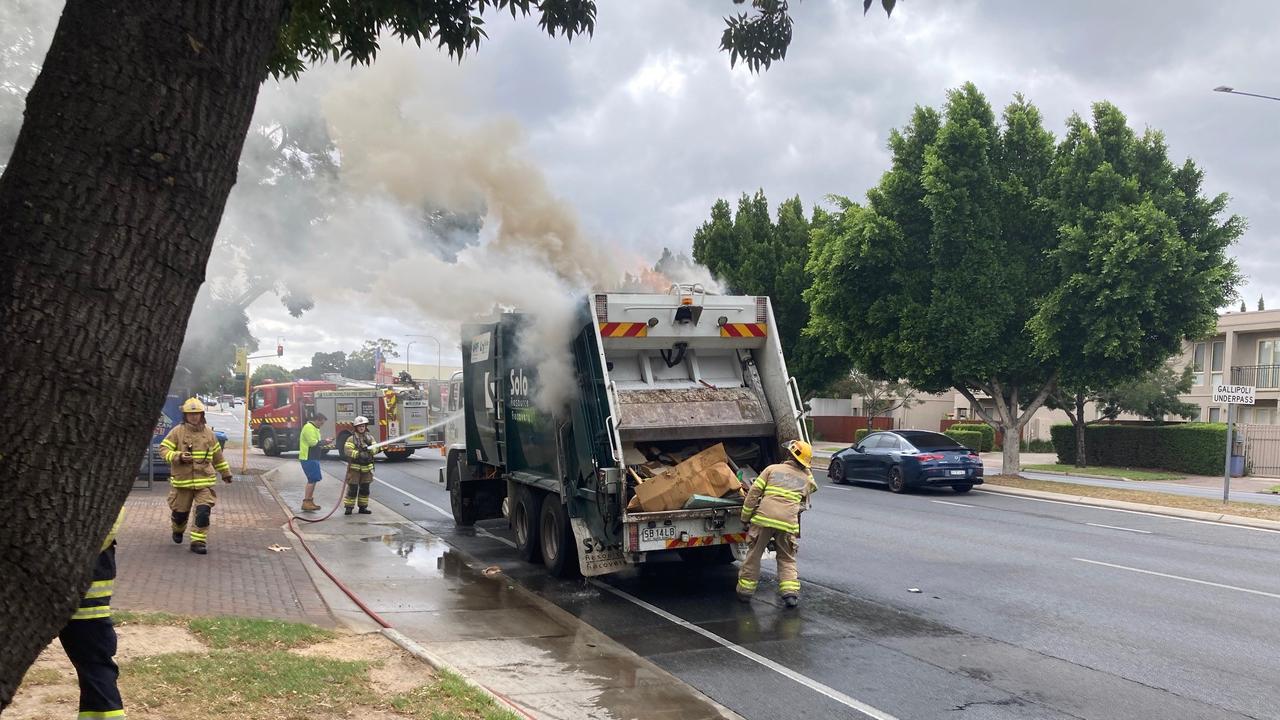
“— what it does is it sets up a battery recycling system through ODEQ for small and medium batteries. More batteries are causing more fires in garbage trucks and landfills. It’s very costly to replace a garbage truck especially, lost time, insurance, and all that. This bill also protects the environment from toxic substances. It reduces dependency on foreign imports by allowing recycling so we conserve critical resources,” explained the Senator to the committee.
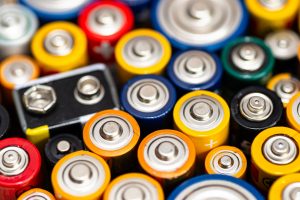
The bill focused on small lithium batteries and did not include any recycling of batteries used in cars and trucks. During the hearing, Stewart pointed to the fire dangers from lithium batteries.
“It’s primarily the lithium that you have in your computers, your flashlights, and the smaller things.”
The bill would create the recycling program under the Oklahoma Department of Environmental Quality.
“This will be programs that will be developed, put in place by the ODEQ. So, I’m sure they’re going to work with everybody. They’re going to try to get as much volunteering to be done as possible, have site centers where they can be collected, but as far as the merchant that’s actually selling them, I don’t believe it will be much of a burden at all,” added Sen. Stewart.
Sen. Shane Jett, R-Shawnee, questioned the fiscal study which said there would be no fiscal impact on the state if the bill were to become law, yet it included $100,603 for the salary and benefits of one full time employee.
When Sen. Stewart explained his bill was backed by various government associations, Jett responded.
“So basically, government entities came up with a program to charge the private sector to solve a problem they like solved.”
“I gotta be careful how I answer that,” said Stewart in response.
Jett even suggested it might be the private sector landfills effectively transferring the obligation to filter their own landfill mass and the onus on the battery producers to assume the expense of further purifying their own landfill mass.
“Is it possible that the landfills private corporation are asking us to impose a burden on another private sector to benefit them and using us to do it? What I see the landfills are trying to do is to get rid of a safety issue,” continued the Senator from Shawnee.
During debate, Sen. Jett repeated his skepticism of what the bill intended.
“So I want us to be cognizant of that. I will be a no vote because this does expand government. It adds another F T E. It adds to the 17th ranking of our regulatory burden. Uh, burdensome status across the United States. And this, I think, creates more jobs in the public sector than it’s going to create benefit to the private.”
AYES: 8
Boren Dossett Frix Green
Kern Murdock Rader Thompson
NAYS: 3
Jett McIntosh Woods
The House already had approved by bill on a 55-36 vote.