

Thanks in large part to the U.S. and Israeli war on Iran over the past month, American crude oil’s value was higher than the global benchmark Brent crude.
West Texas Intermediate crude, until Tuesday, had more value internationally than Brent crude. On Tuesday, Brent settled a few dollars higher than WTI’s price which are determined primarily at the Cushing hub in Oklahoma. Cushing is the official delivery point for the NYMEX WTI crude futures contract so it has become a critical benchmark for U.S. spot prices.
Market Watch pointed out that oil coming out of the Persian Gulf, Oman and the United Arab Emirates carry a “risk” discount, largely because insurance costs for tankers moving through the Strait of Hormuz have surged since the start of the war. As reported, hundreds of tankers stopped because their insurers would not allow them to pass through the Strait and risk being attacked by Iranian drones and missiles.

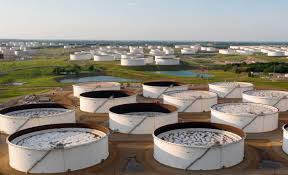
Such is not the case for oil that moves through Oklahoma’s Cushing Hub and eventually to the Gulf Coast refineries. The “Energy Pipeline” newsletter on Substack explained the oil sits in the continental U.S. and flows through pipelines to the refineries, most in Texas where it is loaded onto tankers “without crossing contested waters.”
WTI is also known as light crude oil because of its low density and sometimes is called “Texas light sweet” because of its low sulfur content.
In a social media post this week, President Trump even referred to the sweet oil. He said some of the world’s largest tankers are headed to America to load U.S. crude and gas and called it the “best and sweetest” available in the world. In speaking with reporters at the White House, he again mentioned the sweet oil but quickly remarked he didn’t know what sweet oil is.
Brent crude is the benchmark for the light oil market in Europe, Africa and the Middle East and originates primarily from North Sea oil fields. Brent is also considered to be the dominant oil benchmark in the world. More than 70% of globally traded crude is priced against it. It is also produced near the sea which results in typically significantly lower transportation costs.
Click here for Market Watch