

A new national study finds that data center opposition has surfaced now in 37 states, including Oklahoma and the number is growing at the rate of nearly one every day.
As we’ve reported for more than a year, the opposition in Oklahoma has been with determination by residents in several cities who denounced the economic impact on their city water resources and of course, on electricity rates.
According to research by The Coalition for Responsible Data Center Development and Together Against AI today, more than 360,000 Americans have joined 268 Facebook groups opposing AI data centers across 37 states.
The researchers explained they set out in December 2025 to record the size and development of groups on Facebook which is considered the main online platform used by groups to organize. They found that as of April 2026, there were at least 268 local opposition groups.
“We estimate that membership in opposition groups has more than quadrupled over the past four months, to 360,000 people in local U.S. data center opposition groups. A 300% increase in four months,” according a summary of the report.
The groups also found that in the past six months, 209 such oppositional groups had been formed in 182 which means, “This is more than 1 new group per day.” They also found that the opposition spans both red and blue states and more than 100,000 people in swing states.
“The enormous scale of new data centers is the main reason for the surge in opposition groups,” stated the report.
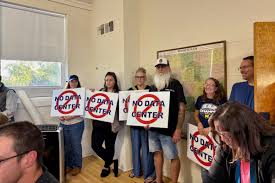
“We estimate that total group membership quadrupled between December 2025 and April 2026. While observed membership grew from roughly 76,000 to 368,000, implying an almost
fivefold increase, some groups were missed during data collection in earlier months and added in later months.”
The researchers explained in their report that the goal of the study was to measure U.S. opposition to data center build-out.
“We chose to measure online organizing through Facebook
because most opposition groups that organize online have a Facebook group. On top of that, Facebook groups provide membership counts, which makes it possible to put a number on the size of the opposition,” stated the researchers.
“We excluded other social media platforms to avoid double-counting members. However, this means that our methodology misses people and groups that organize offline or on other social media platforms. We also miss some Facebook groups, because
despite our best efforts, we do not find all groups as soon as they are founded. Especially smaller groups are more likely not to turn up in our Facebook search in the first month of their existence. Based on previous months’ misses, we expect that we found at most 70% of all groups: at least 30% of the groups that existed at our data collection date in March, we found only in April, and similarly in other months.”