

The more than $1 billion Bridger Pipeline Expansion approved Thursday by President Trump would not only carry oil from Canada to the U.S., it would mean more oil to be transported to the Cushing Hub in northern Oklahoma.
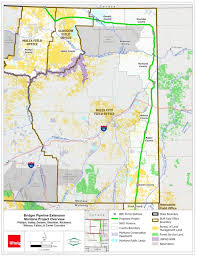
The Bridger Pipeline Expansion, seen as a replacement for the Keystone XL pipeline cancelled by the Biden administration, would transport up to 550,000 barrels of oil a day from the Canadian border with Montana down through eastern Montana and Wyoming where it would link with another pipeline.
“Slightly different from the last administration. They wouldn’t sign a pipeline deal. And we have pipelines going up,” Trump said after signing the Bridger Pipeline Expansion cross-border approval.
The line would eventually carry the tar sands oil and increase supplies to the Cushing hub. It would also make its way to refineries in the Gulf Coast. No contractor has been named and no project cost estimate has been publicly disclosed.
New route
The route runs about435 miles through nine Montana counties and 210 miles through five Wyoming counties before reaching the Guernsey hub in Platte County, where it would connect with existing infrastructure providing access to Cushing, Okla., and Gulf Coast markets.
President Trump signed off on the Keystone XL project in 2020 during his first term in office. It encountered resistance from Native American tribes and environmental groups worried about the contribution of fossil fuels to climate change. When Joe Biden took over the White House, he cancelled the project on day one of his administration.

The Bridger Pipeline is sometimes called “Keystone Light” but it will not cross any Native American reservations. Bridger Pipeline LLC said in a statement that more than 70% of the new line would be built within existing pipeline corridors and 80% on private land. Bridger Pipeline Expansion LLC, a wholly owned subsidiary of Casper, Wyo.-based True Cos., filed a General Project Overview with the Montana Dept. of Environmental Quality on Jan. 28, detailing the engineering parameters.
Biden’s Keystone XL permit cancellation the following year frustrated Canadian officials, including Prime Minster Justin Trudeau, after Alberta invested more than $1 billion in the project.
The Casper, Wyoming-based company operates more than 3,700 miles (5,950 kilometers) of gathering and transmission oil pipelines in the Williston Basin of North Dakota and Montana and the Powder River Basin of Wyoming.
A subsidiary of True Companies, Bridger Pipeline could avoid a reversal by a future administration if it’s able to complete its project before Trump leaves office. It hopes to start construction in the fall of 2027 and finish it by late 2028 or early 2029, Bridger spokesperson Bill Salvin said.
Details
Engineering News-Record reported the line would include eight pump stations along the route and at major river crossings, including the Yellowstone and Missouri, disclosures show Bridger would bore 30 ft to 40 ft beneath the riverbed. The company’s leak prevention program includes SCADA-based 24/7 remote monitoring, inline smart pig inspection and cathodic protection.
Opposition
Environmental groups have already voiced opposition to the new line. WildEarth Guardians joined a coalition of Indigenous, conservation, and community groups to sound the alarm on the proposed Bridger Pipeline Expansion, which could transport more tar sands oil per day than the controversial, and now defunct, Keystone XL project if approved.
“Guardians and nearly 6,000 of our members have called for a stop to this new pipeline threat. We know how this system works: more pipelines mean more drilling, more waste, and more spills. And when spills happen, it’s communities, landowners, and Tribes who are left dealing with the contamination while companies rake in profits,” said Rebecca Sobel, Climate and Health Program Director at WildEarth Guardians. “Oil and gas infrastructure fails every day in this country, and expanding that system only increases the likelihood of spills and long-term contamination.”