

Just as Oklahoma rejected a controversial electrical transmission line a few years ago, the same kind of fight is being played out in other states, such as Nebraska and South Dakota.
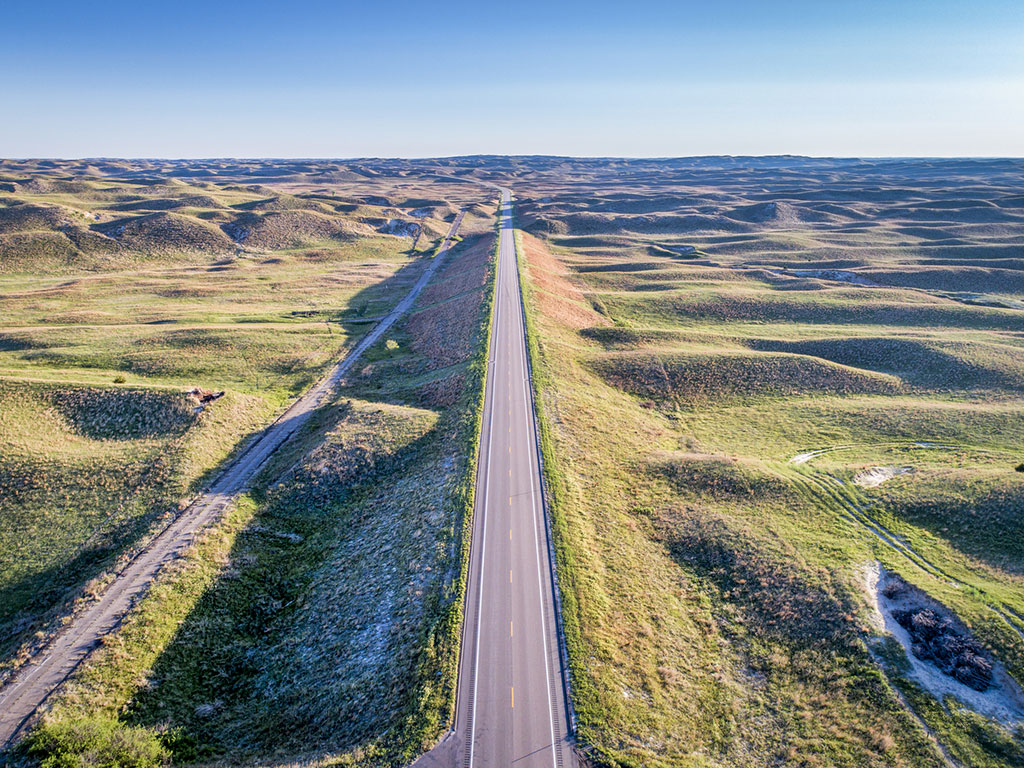
There, ranchers in the area known as the Sandhills joined forces with the Rosebud Sioux Tribe and a nonprofit called Preserve the Sandhills, to file suit over a 220-mile transmission line plan for wind energy called the R-Project.
Nebraska Public Media reports the groups have filed suit in U.S. Civil Court of Denver seeking a preliminary injunction against the developers, the Nebraska Public Power District. It’s not the first such legal action against the project because a similar legal effort was made in 2020. The U.S. Fish and Wildlife Service was also named in the lawsuit because it gave permitting approval for the project.
The NPPD, said in a statement, “R-Project is a critical transmission project that is desperately needed to improve reliability and reduce congestion on the Nebraska grid.”
The Fish and Wildlife Service issued its permitting approval in February.
What one rancher says
Sandhills rancher Brent Steffen is among those who contend a recent National Energy Emergency executive order was misused when the wildlife service reapproved the project, despite an endangered species in the area.
“Most of us feel like routing it through the environmentally important and very fragile Sandhills is the wrong thing and the wrong place for the wrong reasons,” Steffen said. He has run a cow-calf operation for 34 years.
He called it a “very wrongful, misguided” project and pointed to efforts in Kansas where the Governor issued an executive order protecting the Flint Hills from industrialization with wind energy development.
Adding to the concerns of those fighting the line is that whooping cranes, the most endangered crane species, migrate through the Sandhills during spring and an estimated 35% of the bird’s population has been seen in the area during peak migration.