

What started out as a groundwater permitting bill in the Oklahoma legislature turned into the latest effort targeting the growth of data centers in the state.
Before House Energy and Natural Resources Committee chairman, Rep. Nick Archer, R-Elk City, would allow SB259 to be heard for the committee’s final meeting of the legislative session, he pressured the author to include an amendment aimed at water use by data centers.
“I’ll be candid with the committee. I said, hey, if you wanna hear this bill, this amendment has to be included,” he explained at the start of this week’s meeting. “And so what this amendment looks to do is it says that if groundwater is the primary cooling source for a data center, that that facility must use closed loop, they must use dielectric cooling fluid, it must be air cooled, some form of low consumptive water cooling mechanism.”
Rep. Archer said his amendment provided that data centers would not be allowed to use traditional open air evaporative cooling.
The enforcement would be handled by the Oklahoma Water Resources Board and the allotted water would be based on a 5-year average which would vary from region to region in the state.
“Not all of Oklahoma is dry at the same time and some years are wetter than others and we get a lot more water in some areas than others. And so this would allow those that need more water one year to use up to 100, one and a half times their allotment or 150% of their allotment in that one year. But over the five-year plan, they would have to be within their allotment of what is permitted for them to use.”
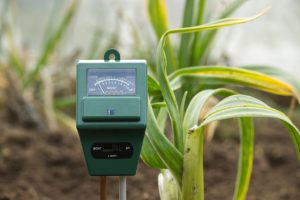
Water meters that would be required under the bill, according to Newton, run between $1,750 and $4,000.
While one legislator questioned whether mandating it or forcing the water meters on agricultural operations might be harmful, Newton explained he was concerned about the future of water in the state, especially western Oklahoma.
“I mean, you know, the research comes out of OSU that says some parts of the Ogallala will not be, will be gone in 30 years.,” answered Newton who said the current water allotments are based on a mining law.
“Because if we cease to have water out there, we cease to exist out there. And so, that’s why underground water.”
The committee voted 8-0 in support of recommending a Do Pass to the House.