

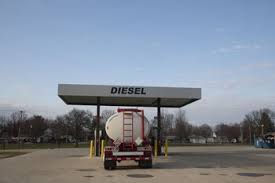
Motorists who rely on gasoline or electric vehicles might be totally unaware of the price of diesel fuel and how it’s soared since the war against Iran and the shutdown of the Strait of Hormuz where 20% of the world’s oil supply passes.
But they might soon be paying close attention. Diesel fuel now averages $5.06 a gallon across the U.S. and increased another 2 cents per gallon from Tuesday to Wednesday this week. The average in Oklahoma was unchanged at $4.28 per gallon. Diesel fuel prices in Oklahoma City fell one cent during the same time period to $4.25 while they were unchanged in Tulsa at $4.35 per gallon.
Those diesel fuel costs will soon be passed along to non-diesel fuel consumers.
Axios Energy had an explanation this week as cited below.
Clean energy companies will feel the pinch as diesel prices at four-year highs create new inflationary pressures across the U.S. economy.
Why it matters: Truck transport is vital for goods used by companies of all stripes, and diesel increases also boost costs of operating heavy equipment at construction sites, mining projects and beyond.
State of play: Diesel prices now average above $5 per gallon, per AAA and Energy Department data.
What they’re saying: “The $5 a gallon mark is going to push up the prices of all energy projects in the U.S. at this point,” Wood Mackenzie supply chain analyst Benjamin Boucher said, citing higher trucking rates.
- Fuel costs borne by freight and construction firms will start rippling outward.
- “They’re going to pass down the operating costs down to the consumers, which in this case will likely be the people developing the renewable projects, or even traditional generation projects,” he told Axios.
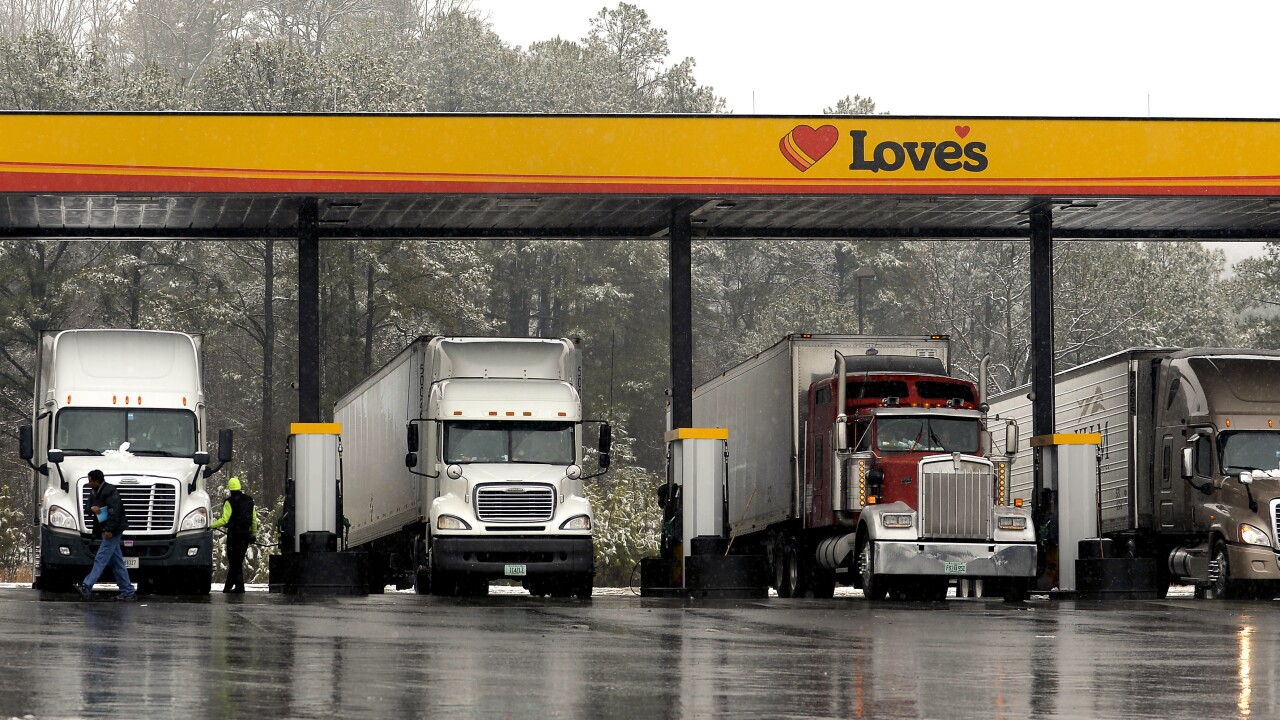
Friction point: There are multiple pain points.
- With some projects relying heavily on imported goods, higher marine fuel and jet fuel prices will also filter down. That includes solar and battery storage projects, Boucher said.
- But nobody is immune. Think, for instance, of drilling rigs that run on diesel power.
What we’re watching: This is speculative for now, but whether the higher costs could cause delays — or even cancellations — of projects that are early in the planning stages.
- That will depend on how much further diesel goes up and the duration of the spike, Boucher said, adding that a six-month stretch could be consequential.
Threat level: The Iran war is squeezing renewables projects in other ways, too, even if it helps bolster the long-term energy security case for homegrown electrons.
- The throttling of transit through the Strait of Hormuz is affecting supplies of aluminum used in solar modules, Heatmap reports.
Zoom out: Analysts are also starting to weigh the economy-wide effects of diesel costs.
- At $5 per gallon, farming, trucking and construction companies will together spend $6.1 billion on the fuel this week, per estimates from the research firm BloombergNEF.
- The same amount of fuel would have cost just $4.5 billion ahead of the war, a 35% increase, its analysis states.
What’s next: Higher diesel will shape the pricing decisions companies make in the weeks ahead — especially for heavy, bulky and inexpensive goods for which transportation is a large share of their total cost.
- That means that higher diesel prices could thus drive core inflation measures higher, not just the headline measures that include the direct cost of higher energy.