


Oklahoma Bill Proposes Data Center Moratorium Through 2029—New York does too
State Sen. Kendal Sacchieri’s call for a moratorium on data centers in Oklahoma isn’t an isolated proposal when it comes to the expansion of artificial intelligence (AI) and the ballooning demand for electrical power.
Senate Bill 1488 Calls for Three-Year Moratorium
The Republican senator filed Senate Bill 1488, which proposes a three-year moratorium. The delay in approval for any additional data centers would continue until November 1, 2029, and also direct the Oklahoma Corporation Commission to study the long-term effects such large-scale facilities could have on state infrastructure and resources.
Similar Proposal Filed in New York
A similar measure was recently filed in New York by a Democratic state senator who also wants a freeze of state and local approvals for data centers for three years.
“Massive data centers are gunning for New York, and right now we are completely unprepared,” said Democratic state Sen. Liz Krueger, one of the bill’s sponsors and chair of the state Senate’s powerful Finance Committee. “It’s time to hit the pause button, give ourselves some breathing room to adopt strong policies on data centers, and avoid getting caught in a bubble that will burst and leave New York utility customers footing a huge bill.”
Her bill could run into opposition from New York Gov. Kathy Hochul, another Democrat who supports the growth of data centers in the state. However, the governor also supports requirements that data centers supply their own power and ensure costs don’t increase for residents.
Politico reported the senator’s bill could also face “certain” opposition from labor unions who are “particularly influential” with state assemblymembers. Just as Oklahoma faces pressure on utilities to guarantee a supply of electrical power to data centers, New York is as well. As Politico noted, “That crush of requests has led to concerns about the reliability of the state’s electric grid in the coming years and sparked worries about spiking energy prices.”
E&E News described the New York proposal as “a sweeping moratorium that has not previously been reported.” Maybe not in New York, but it has been noted in Oklahoma, where Sen. Sacchieri explained her measure.
Concerns Over Infrastructure, Utilities, and Communities
“The goal is not to halt progress,” Sen. Sacchieri added, “but to ensure that progress does not come at the expense of Oklahomans’ quality of life or their utility costs. We owe it to our communities to understand what we don’t yet know before we make irreversible decisions about where and how these facilities are built.”
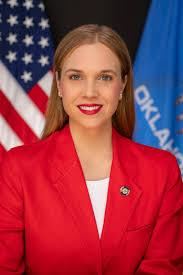
She further said the growth of data centers in Oklahoma has left the state “confronting serious unknowns about how these large facilities affect” communities, utilities, and natural resources.
“This bill stems from those unknowns, and there are real, serious concerns around what these data centers will bring to our state negatively.”
The senator suggested there might be better solutions than what the state is currently doing by allowing data centers to be “sited anywhere and everywhere” without considering long-term effects and repercussions.
Fiscal Impact and Required Study
A fiscal analysis has already been issued by the Oklahoma Corporation Commission on the impact to the agency.
“SB 1488 establishes a moratorium on the building or establishing of data centers until November 1, 2029. The Corporation Commission is directed to conduct a study on the potential impacts that data centers might have on the state, including the water supply of aquifers, streams, lakes or wastewater treatment plants, and utility rates and property values. The Commission must also conduct a study on ideal locations for data centers.
The Corporation Commission shares a fiscal impact of $300,000 to $400,000 on the Public Utility Division (PUD) for the hiring of an outside consultant. Fiscal impact provided by the Oklahoma Corporation Commission and Senate Fiscal Staff.”
The bill was initially referred to the Senate Rules Committee and then to the Appropriations Committee.