

New Mexico Sues Oil Operators Over Abandoned Well Cleanup Costs
Attorney General Targets Alleged Shell Company Scheme
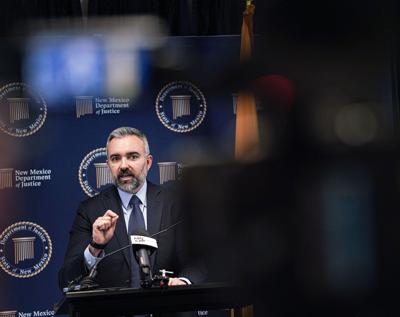
New Mexico Attorney General Raúl Torrez has filed a lawsuit aimed at forcing oil and gas operators to pay for cleanup and plugging of aging wells, accusing a group of executives and companies of deliberately shifting environmental liabilities onto the state.
The lawsuit, filed December 23, alleges that the defendants used a network of shell companies and bankruptcy proceedings to avoid their legal responsibility to properly plug and remediate oil and gas wells at the end of their productive lives. According to the complaint, those actions left New Mexico taxpayers exposed to significant cleanup costs and environmental risks.
“New Mexicans are suffering from adverse health risks and bear the brunt of environmental harms caused by these companies failing to uphold their agreed-upon duty to responsibly plug oil and gas wells when they are no longer in production,” Torrez said in a statement. “I will not stand by while bad actors take advantage of the system.”
Defendants Include Executives and Multiple Energy Companies
The lawsuit names more than a dozen defendants, including Marquis Reed Gilmore Jr., Robert Stitzel, Everett Willard Gray II, and oil and gas operator Remnant Oil Co. The state alleges the individuals and affiliated companies worked together to acquire marginal wells, extract remaining value, and then abandon cleanup obligations.
One of the named companies, New Era Energy and Digital — led by Gray — rejected the allegations, calling the lawsuit “baseless and uninformed” in a public statement.
Focus on Stripper Wells and Methane Emissions
According to the lawsuit, Remnant Operating Co. targeted marginal oil wells, often referred to as stripper wells, which typically produce small volumes of oil but remain widespread across New Mexico’s oil patch.
Data cited by the state, including findings from the Rocky Mountain Institute and the U.S. Environmental Protection Agency, show that stripper wells often have disproportionately high methane emissions relative to their output, raising environmental and public health concerns.
State regulators allege that Remnant accumulated wells nearing the end of their lifespan without maintaining compliance with plugging and abandonment requirements.
Regulatory Action and Prior Settlement
Remnant’s operations eventually drew scrutiny from New Mexico’s Oil Conservation Division, which found more than 50 wells out of compliance with state regulations. In 2018, the agency and the company reached a settlement requiring Remnant to return wells to production, clean them up, or temporarily abandon at least 40 sites.
The Attorney General’s lawsuit claims that despite the settlement, the defendants continued to use corporate restructuring and insolvency tactics to evade long-term environmental responsibilities, forcing the state to intervene.
State Signals Broader Enforcement Push
The case underscores New Mexico’s growing effort to hold operators accountable for legacy oil and gas infrastructure, particularly as regulators confront a rising inventory of orphaned and inactive wells across the state.
If successful, the lawsuit could establish a precedent limiting the ability of operators to use bankruptcy protections or corporate layering to avoid cleanup obligations — a concern shared by regulators in several major energy-producing states.