

One of the latest data center bills to be filed in the legislature would prohibit any foreign ownership of such an artificial intelligence project in Oklahoma.
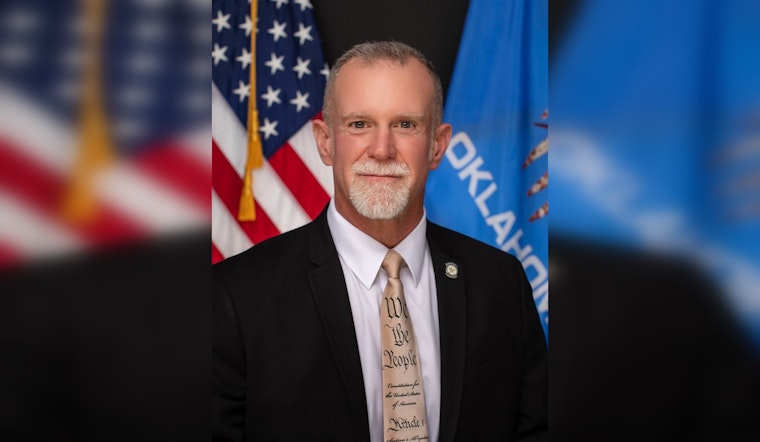
State Sen. Warren Hamilton, R-McCurtain, filed the Senate Bill 1706 which provides that data centers in Oklahoma may not be directly or indirectly rented, leased, or controlled by a foreign owner.
“Under no circumstances can we permit non-citizens to gain access to our lands, resources, or personal data,” Hamilton said. “These pieces of legislation bolster our state laws, protect our citizens, and provide additional safeguards against those who seek to harm our nation or infiltrate our communities.”
According to the bill as filed, “A foreign principal that directly or indirectly rents or leases a data center, as defined in subsection A of this section, in this state shall divest itself of any rental agreement, lease agreement, or controlling interest in the data center within one hundred eighty (180) days of the effective date of this act.”
The bill also declared that any current rental or lease agreements would be deemed invalid from the date of adoption. The senator also filed Senate Bill 1672 which builds on existing provisions in state law to prohibit foreign acquisition of land in Oklahoma. Further, the bill removes a current provision that permitted exemptions and ensures the law applies uniformly to all foreign ownership.
Hamilton has also filed legislation to protect children from predatory AI chatbot features that could expose them to content that is explicit or threatens their safety.
Senate Bill 1521 prohibits the design of AI chatbot features that expose minors to explicit content or coerce suicide, non-suicidal self-injury, or imminent physical or sexual violence. Additionally, the legislation requires AI chatbot developers to implement age verification tools on their platforms and freeze accounts until the user’s age is verified. Companies that fail to comply with the provisions of the measure could face civil penalties up to $100,000.
“Entirely too many innocent children have been exposed to harmful and explicit content through AI and online platforms, leaving them susceptible to exploitation, trauma, and lifelong psychological harm,” Hamilton said. “These measures may add steps for users, but they are essential to safeguarding Oklahoma youth from AI content that puts their safety at risk.”
Hamilton’s legislation will be eligible for consideration during the 2026 legislative session, which begins Feb. 2.