
Rapid data center growth expected across western states
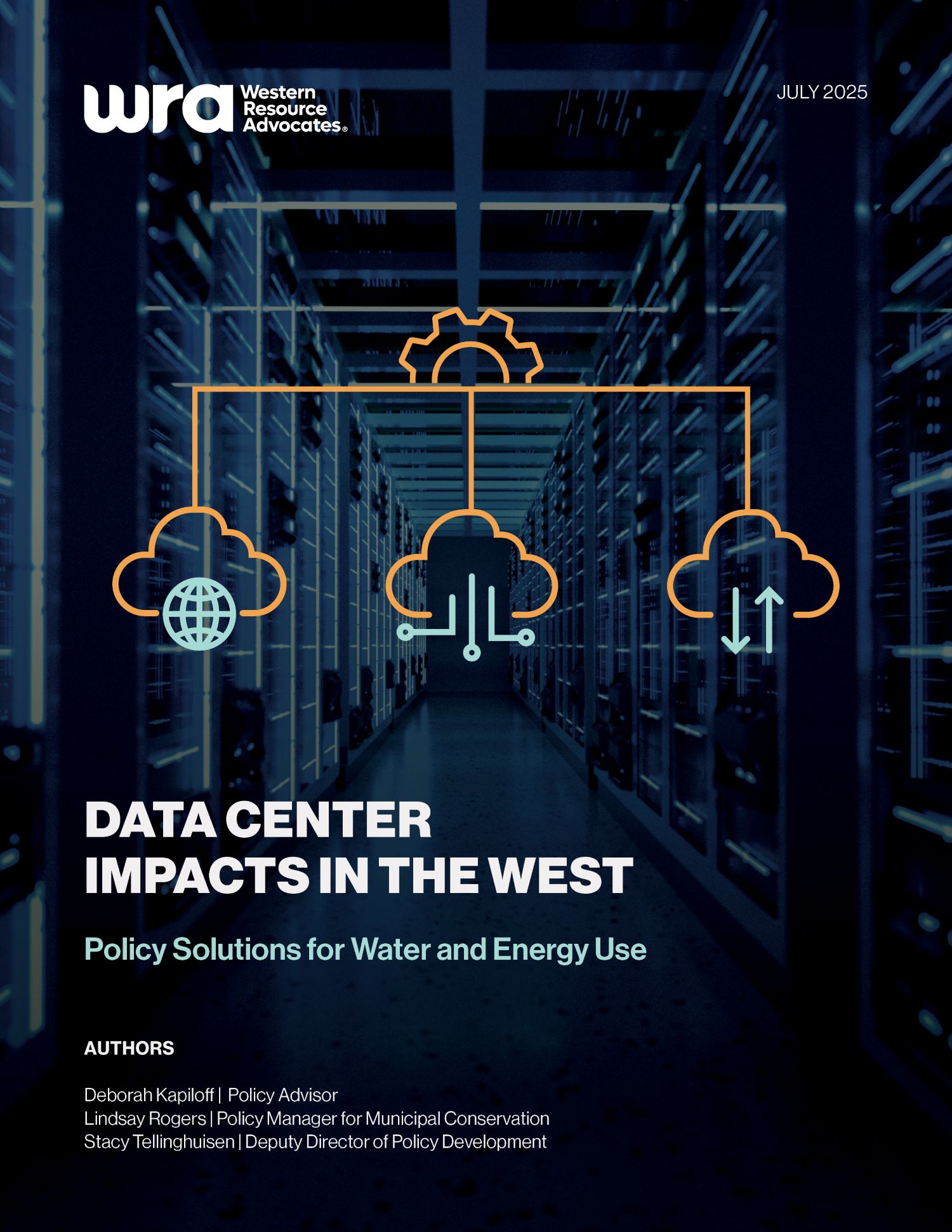
A new study examining the impact of data centers across western U.S. states, including Colorado and New Mexico, warns that artificial intelligence-driven development could expand more than four times faster than growth seen over the past decade. The analysis finds the surge will not only drive up greenhouse gas emissions and strain electric grids, but also place significant pressure on already scarce water supplies.
The study was conducted by Western Resource Advocates (WRA), which focuses on energy and environmental policy across the Interior West.
Energy demand and ratemaking concerns mirror Oklahoma’s experience
Western Resource Advocates urged western states to pursue policies similar to those Oklahoma adopted in the past year, including behind-the-meter renewable generation, stronger energy efficiency standards, and fair ratemaking practices. Ratemaking has become a central concern in Oklahoma’s data center expansion and, according to the study, remains a parallel issue across western states.
The study found that seven of the eight largest utilities in Arizona, Colorado, Nevada, New Mexico, and Utah have already increased load forecasts significantly due largely to projected electricity demand from data centers.
“Over just the past few years, seven of the eight largest utilities in the Interior West… have seen collective load forecasts increased significantly, largely due to the projected electricity demands of data centers,” the study stated.
From 2010 through 2023, total annual electricity sales across the region grew by approximately 1% per year, highlighting how sudden and dramatic the projected shift has become.
Water use emerges as a critical limiting factor
Beyond electricity demand, the study identified water consumption as a major risk. Data centers rely heavily on water for cooling, and the study projects that water use could reach 7 billion gallons per year by 2035 in a region already facing water scarcity for farming, ranching, and industrial development.
If utility projections materialize, WRA estimated that data centers across five western states could consume:
-
13,700 acre-feet (4.5 billion gallons) annually by 2030
-
21,600 acre-feet (7 billion gallons) annually by 2035
These estimates assume continued reliance on conventional water-based cooling technologies.
Protecting customers from stranded costs and subsidies
Western Resource Advocates warned that utilities face unprecedented uncertainty in forecasting load growth. If utilities overbuild generation, transmission, or distribution infrastructure and data center demand fails to materialize, residential and commercial customers could be forced to absorb the costs of stranded investments.
To address this risk, the study recommended reforms to Integrated Resource Planning (IRP) processes and stronger requirements for utility load forecasting.
WRA also urged utilities to establish robust contract provisions to prevent cross-subsidization. Recommended measures include minimum contract lengths, exit penalties, financial collateral requirements, and minimum demand payments to ensure data centers contribute fairly to system costs.
Corporate responsibility could reduce impacts
While warning that data centers “pose an emerging threat,” WRA said the adoption of smart policies could significantly reduce impacts. The group noted that major data center operators such as Google, Meta, and Amazon have substantial financial resources and public climate commitments.
If new electricity supply prioritizes sustainability and water-efficient technologies, the study said data center growth could help accelerate the clean energy transition while minimizing stress on water resources.