
Oklahoma Gas and Electric’s recent request for Corporation Commission approval of millions of dollars in expanded energy projects to meet growing AI electrical demand could be revisited.
The utility recently filed a new request (PUD 2025-000084) to add another project carrying a price tag of $394 million, to the list of those approved on the 2-1 vote in which Corporation Commissioner Todd Hiett opposed the preapproval of the costs, citing a lack of protection for consumers.
Three projects were approved for expansion and the ability to produce more electricity at an early December meeting of the corporation commissioners. The approved projects included HL 13 & 14, Black Kettle CPA, and Kiamichi CPA. The HL 13 & 14 projects were at the Horseshoe Lake power plant in eastern Oklahoma County. Black Kettle is a battery storage project at Enid and the Kiamichi CPA is located at Kiowa.
Now OG&E wants to add a battery project planned at Ponca City.
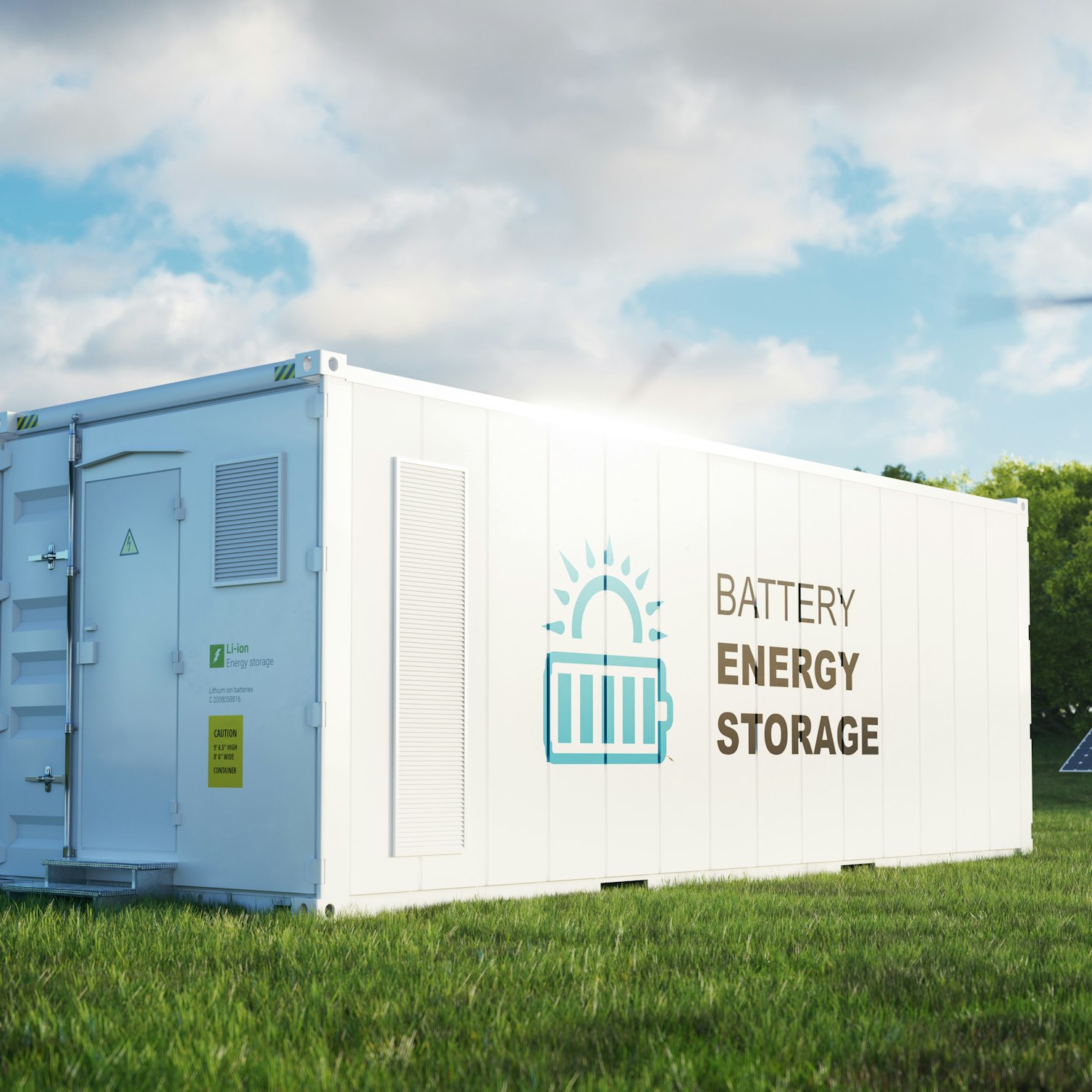
“The fourth project is the Frontier Energy Storage Project, which is a 302 MW Battery Energy Storage System (“BESS”) project located in Kay County, Oklahoma. The project is expected to reach commercial operation in late 2027,” stated the utility in its filing.
OG&E contends “There is a need for the Frontier Energy Storage Project and, therefore, pursuant to 17 O.S. § 286(C), the project is approved, considered used and useful and subject to the Commission’s cost-recovery rules.”
It wants corporation commission approval and for the “existing Generation Cost Recovery (“GCR”) rider be modified to provide
for recovery of the costs of the Frontier Energy Storage Project.”
for recovery of the costs of the Frontier Energy Storage Project.”

Kimber Shoop, Director of Regulatory Affairs for OG&E stated in sworn testimony offered in the request that the corporation commission’s decision for the three previous projects “affirmed OG&E’s demonstrated need for generation capacity through 2030.”
He said the conclusion relied on OG&E’s 2024 and 2025 IRP or Integrated Resource Plan which outlines the energy resources the utility plans to secure to serve existing and future customers.
“Even after the approval of the three projects in Case No. PUD 2025-00003812 and after the approval of the Project in this Case, the Company still has a significant need of 394 MW in 2028, 661 MW in 2029, 555 MW in 2030 and 981 MW in 2031.”
He further stated the Frontier Energy Storage Project aligns with the need identified in the IRPs “and will OG&E to ensure safe, adequate, and reliable service for Oklahoma customers while supporting prudent, forward-looking resource planning.”
Shoop said the 2025 IRP demonstrated that the needs will continue to grow to 1,647 MW in 2030. He went on to testify that the company’s request for proposal effort on the battery project “was very robust” and the company received 200 bids from 24 participating entities at 58 sites. The company chose seven winners and negotiated with the bidders, some of whom withdrew from the RFP or “significantly increased their bid pricing.”
“These negotiations were complicated by evolving tariff risk, supply chain issues, tax credit uncertainty, and high demand for capacity, all of which made negotiations difficult,” said Shoop in his testimony. Three winning bidders were finalized in May of 2025 and according to Shoop, the three projects were subject to the approvals of the Commission in case No. PUD 2025-000038.
OG&E negotiated with Deriva for the project and a contract was executed December 8, 2025.
Deriva Energy is formerly Duke Energy Renewables and operates two wind power farms in Kay County, including the Frontier Windpower I and II projects. Frontier Wind I became operational in 2016 while Frontier Wind II started commercial production in 2021.