

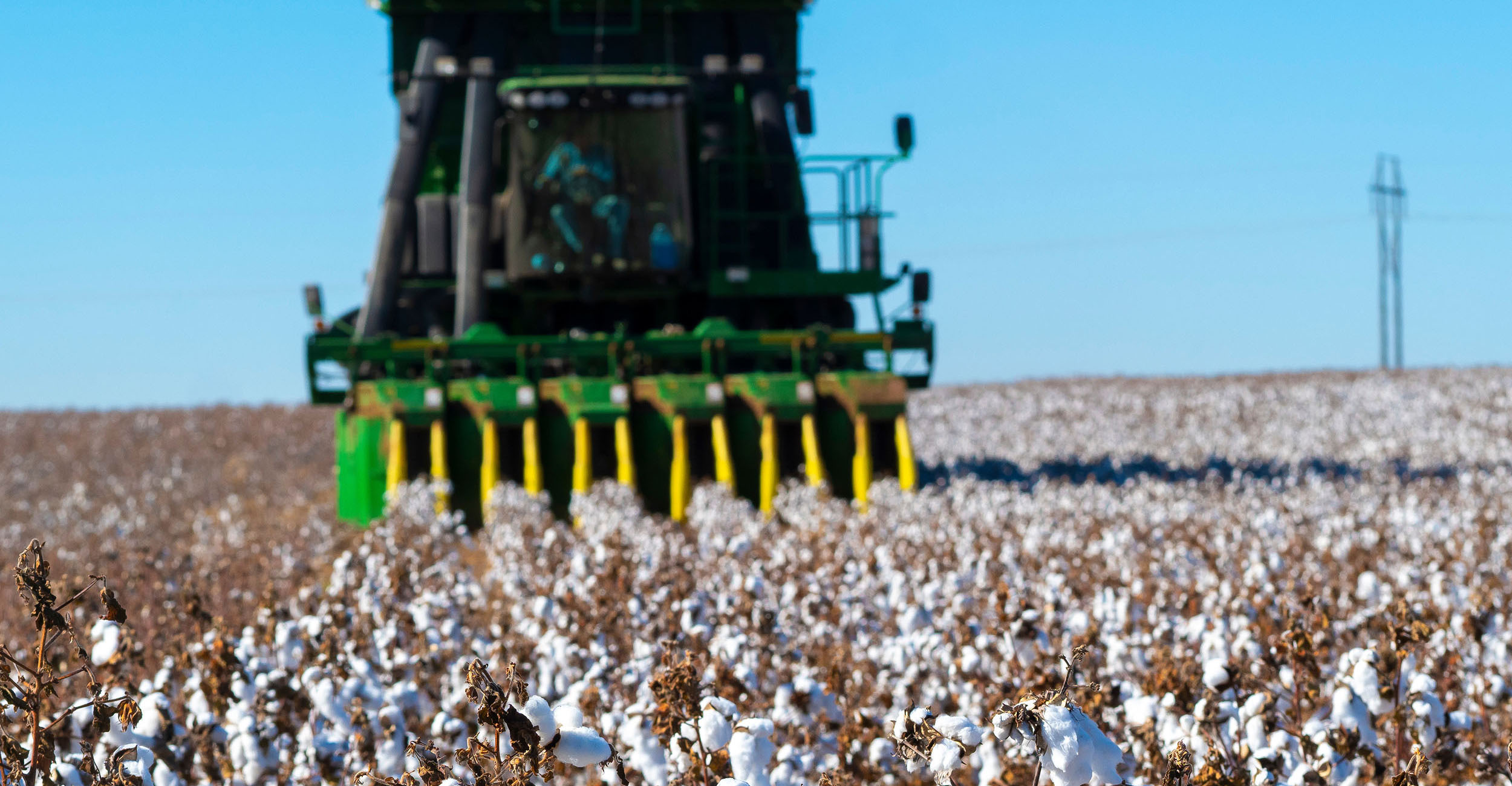
Cotton gin operators ask Corporation Commission for relief
Operators of Oklahoma’s eight regulated cotton gins say they can no longer operate under rates set more than four decades ago and have asked the Oklahoma Corporation Commission for permission to increase their ginning and bagging charges.
According to a recent filing, the cotton gins have gone 44 years without an approved rate increase, despite rising equipment, labor, and operational costs. The Commission governs cotton gins as regulated public utilities in the state.
The ability to regulate cotton gins dates back to the state constitution when it was drafted in 1907 and created the Corporation Commission.
The Corporation Commission was established in 1907 by Article 9 of the Oklahoma Constitution. The First Legislature gave the Commission authority to regulate public service corporations, those businesses whose services are considered essential to the public welfare.
The legal principle for such regulation had been established in 1877. At this time, the United States Supreme Court upheld a lower court ruling, Munn v. Illinois, that when a private company’s business affects the community at large, it becomes a public entity subject to state regulation.
Initially, the Corporation Commission regulated transportation and transmission companies, mostly railroads and telephone and telegraph companies. The Commission also was directed to collect and maintain records of the stockholders, officers and directors of all corporations chartered or licensed to do business in Oklahoma (about 12,500 at statehood).
The current rates date back to September 1981, when the Commission set the charge for ginning picked, snapped, or stripped cotton at $2.00 per hundredweight (cwt) and $7.50 per bale for bagging and tying.
Proposed increases outlined in filing
In their request, the eight gins asked the Commission to approve what they described as “reasonable rates” for ginning cotton statewide.
The filing seeks to increase:
-
The ginning rate from $2.00/cwt to $2.75/cwt
-
The bagging and tying rate from $7.50 per bale to $10.00 per bale
The operators emphasized that the Commission has issued no subsequent order modifying rates since 1981, leaving gins to absorb decades of cost increases without regulatory relief.
Operators say current rates no longer support operations
The filing states that rates established more than four decades ago no longer allow the gins to earn enough operating income to support their businesses.
“However, based upon those rates established over four (4) decades ago, Applicant’s members can no longer earn sufficient operating income to produce a fair and reasonable return on capital outlay for equipment and operations or reasonable return on the value of their respective plants, properties, and other assets,” the filing said.
The operators argue increased revenue is necessary if they are to continue providing consistent, quality ginning services across Oklahoma while maintaining financially viable operations.
Comparison to neighboring states and co-op structure
The gins told regulators the proposed rates would still remain lower than those charged in neighboring jurisdictions, even with the requested increases.
They also noted that all but one of the eight gins operate as cooperatives, meaning many cotton producers also hold ownership stakes in the gins.
“This means a portion of the increased fees collected by the gins following the requested rate increase would conceivably return to the state’s cotton producers/co-op owners in the form of dividends,” the filing stated, “thus mitigating the effect of the increased rates.”
Regulatory decision pending
The Oklahoma Corporation Commission has not yet ruled on the request. If approved, the increase would mark the first adjustment to cotton ginning and bagging rates since 1981, closing one of the longest gaps between rate reviews for a regulated utility in the state.